When to Change Strings and Bow Hair?
The sonic brilliance of a string instrument depends not only on the wood and construction but significantly on the condition of its consumable components. Strings and bow hair undergo natural wear and tear, which often happens gradually. Many musicians adapt to a duller sound or increased playing resistance without realizing that the hardware has exceeded its lifespan. In this guide, we explain the precise signs that indicate a necessary replacement to maintain professional performance.
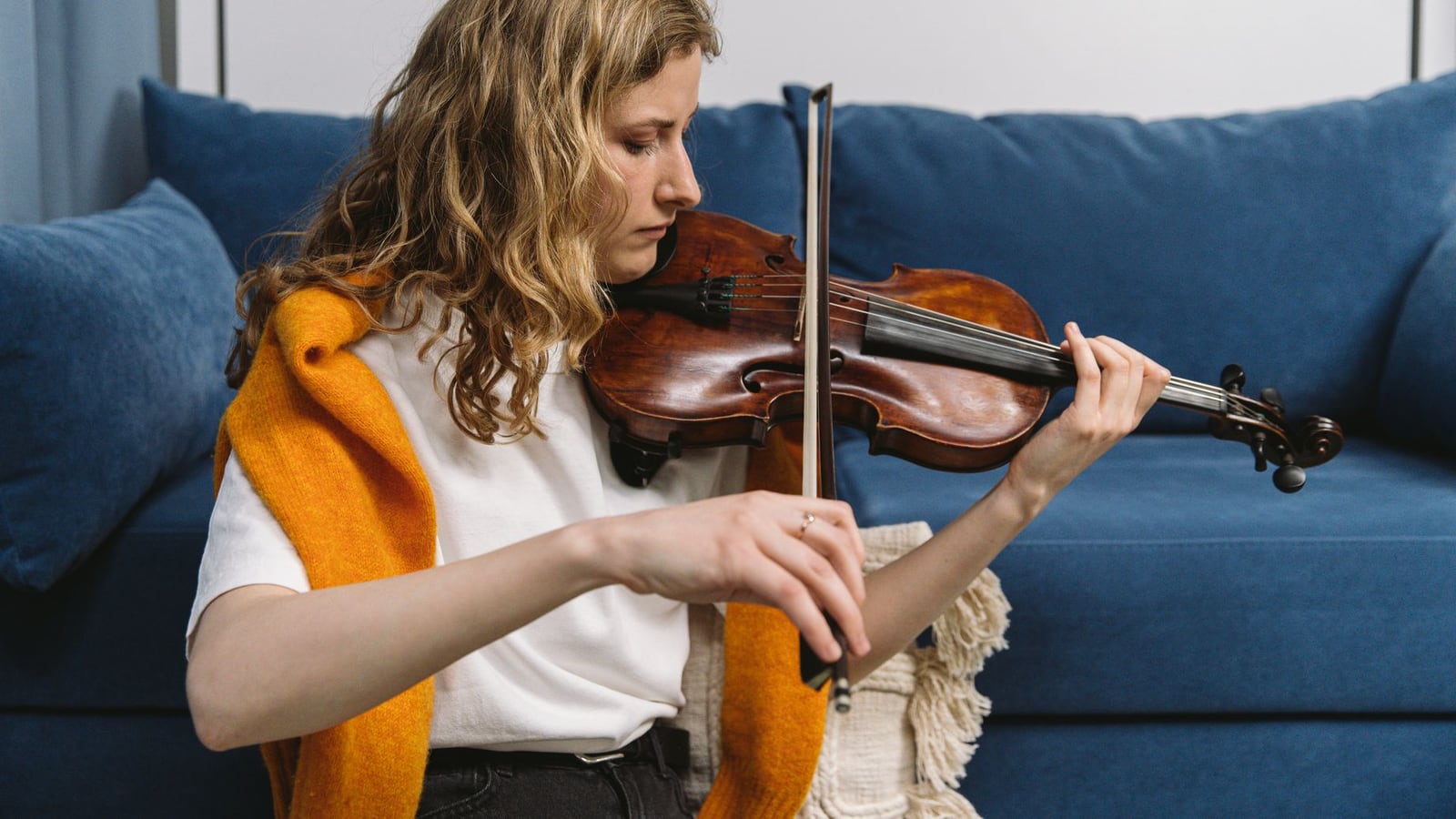
The Lifespan of Instrument Strings
Strings consist of a core—usually synthetic, steel, or gut—and a winding. Over time, the material loses its elasticity. The molecular structure changes due to constant mechanical stress and the friction of the bow. This leads to a situation where the string no longer vibrates precisely, which manifests as poor intonation and a loss of harmonic richness.
Particularly in Vienna, where humidity fluctuates significantly depending on the season, strings react sensitively. A common sign of aging is the so-called "false" string: it can no longer be intoned cleanly across the entire length of the fingerboard, even though the open string is tuned correctly.
Signs That You Need New Strings
There are three primary indicators that signal it is time for a visit to the workshop for string instrument maintenance:
- Loss of Tone: The sound becomes muffled, loses its overtones, and the projection in the room decreases significantly.
- Tuning Instability: The instrument requires frequent retuning, even after the initial breaking-in period of new strings.
- Physical Wear: Visible fraying of the winding, corrosion of the core, or blackened areas where the bow makes contact.
When is the Bow Hair Exhausted?
The bow hair, typically made of high-quality horsehair, is the vital link between the musician and the instrument. It transports the rosin to the string. Over time, the scales of the hair wear down, or the hair becomes contaminated with sweat and skin oils. "Dead" hair loses the ability to grip the string effectively.
A critical sign is when the bow "slips" despite applying sufficient rosin, or the string response becomes delayed. If the hair sags excessively in the middle of the bow or if individual hairs snap frequently, a professional rehairing is indispensable.
Checklist: Is it Time for Service?
| Symptom | Check Strings | Check Bow Hair |
|---|---|---|
| Sound feels dull or lifeless | Yes | Yes |
| Intonation problems | Yes | No |
| Bow frequently slips | No | Yes |
| Strings snap more often | Yes | No |
| Hairs are breaking or greyed | No | Yes |
The Role of the Vienna Climate
In Austria, and specifically within the urban environment of Vienna, we deal with strong atmospheric contrasts. The dry heating air in winter strips moisture from both the wood and the strings, which can lead to tension loss and instability. Conversely, the humid summers cause materials to expand. These cycles accelerate the degradation of strings and bow hair.
We recommend a check-up at least twice a year. Those who use their instrument intensively—such as students at the conservatory or professional orchestra members—should shorten these intervals. Preventive replacement also protects the fingerboard from excessive grooves caused by old, brittle strings.
Professional Replacement vs. DIY
While some musicians change their strings themselves, this carries risks. Incorrect tension on the pegs can lead to cracks in the instrument's scroll. A professional service in our workshop includes not only the replacement but also a check of the bridge and string height. For bow hair, precision is key: the tension must be exactly calibrated to avoid damaging the curvature of the bow wood.
We ensure that the new materials harmonize perfectly with the characteristics of your instrument. This is especially important for historical instruments, where string tension must be precisely matched to the age and condition of the wood.
Summary and Recommendations
An instrument is only as good as its consumable parts. Do not neglect the regular replacement of strings and bow hair to ensure the full sonic potential of your instrument. If you are unsure whether your materials are still performing at their peak, we invite you to visit us in the Neubau district.
For further tips on the long-term preservation of your instruments, we recommend our guide on guitar care during seasonal changes, as many principles of material maintenance apply to all stringed instruments.
Ready for Sound Optimization?
If your instrument no longer speaks as it should, it is time for professional maintenance. We thoroughly inspect your instrument and replace only what is truly necessary.